Content
The latest Breaking the Plastic Wave 2025 report from The Pew Charitable Trusts and partners delivers a stark, data-driven assessment of how plastic pollution is evolving — and what must change to avert escalating environmental, health and economic costs. Without transformative action, plastic pollution is projected to more than double by 2040, overwhelming waste management systems and contributing substantially to greenhouse gases and harmful health effects worldwide.
Key global findings include:
🔹 Plastic production will rise faster than waste management capacity — with traditional systems unable to keep pace unless we radically rethink materials and supply chains.
🔹 Human health impacts will surge as plastics and associated chemical exposures rise — especially affecting vulnerable populations.
🔹 System-level transformation could cut annual plastic pollution by 83% and packaging waste by 97% by 2040 through scaling reuse, reduction and redesign strategies.
In parallel, reporting in The Guardian emphasises that reuse and return schemes, alongside reductions in plastic production, could nearly eliminate plastic packaging waste within 15 years — demonstrating that solutions already exist if deployed at scale.
🌍 What this means for horticulture and agriculture
These reports reinforce that eliminating plastics from our environment is not just necessary — it’s feasible when systemic innovation and material transformation come together. At Oxford Biodegradable Solutions Ltd, we are at the forefront of that transformation.
🚜 Our groundbreaking work is directly aligned with the pathways outlined by these global analyses:
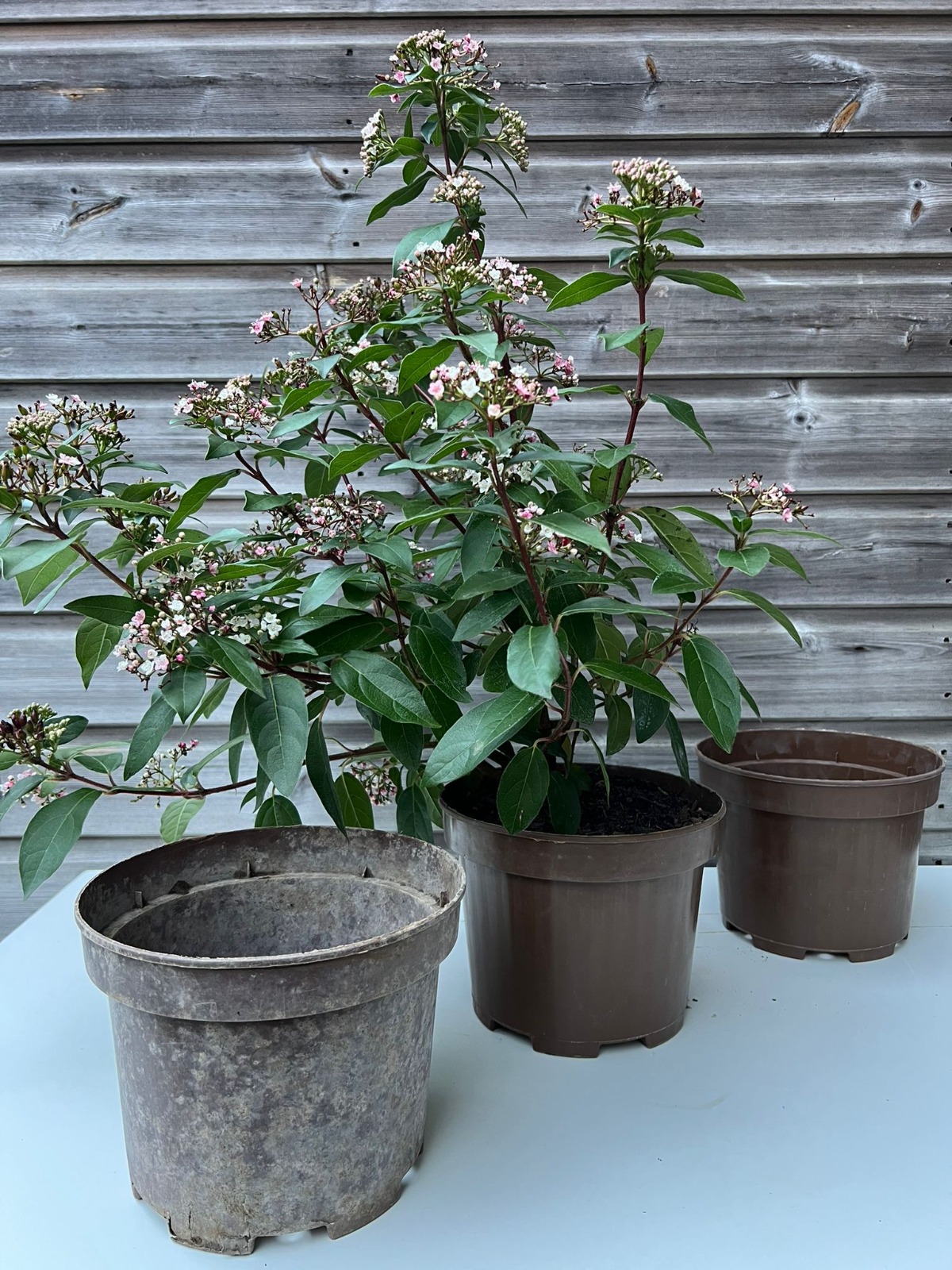
✔️ We are developing soil-biodegradable solutions tailored to horticulture and agriculture — sectors historically dependent on conventional plastics.
✔️ Our materials offer high performance without the long-term pollution footprint of traditional plastics, helping farmers and growers meet sustainability targets and reduce environmental impact.
✔️ By replacing persistent plastics with biodegradable alternatives, we help advance a regenerative plastic economy — supporting reduced waste, healthier soils, and resilient agricultural systems.
✔️ Our innovation accelerates the kind of systemic shift highlighted in the Breaking the Plastic Wave 2025 call for action: scaling existing solutions and pioneering better materials to drive industry-wide change.
👉 The path to a plastic-free future demands coordination of policy, design, reuse infrastructure and radically better materials. We are proud to contribute to that future, where agriculture and horticulture are no longer tied to pollution — but instead part of the solution.
hashtagPlasticPollution hashtagBiodegradable hashtagSustainableAgriculture hashtagCircularEconomy