
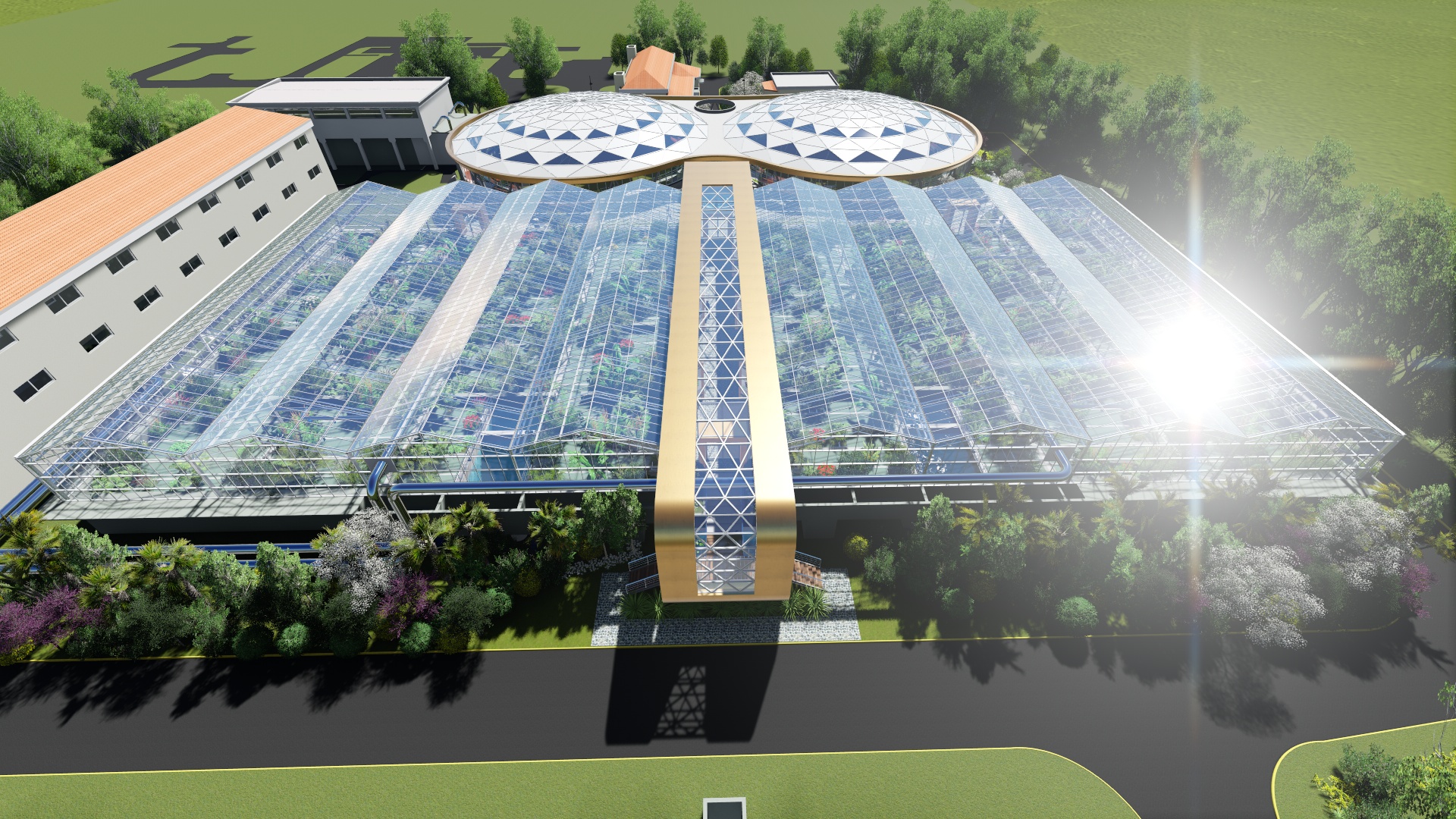
Organica Food Chain Reactor (FCR)
Wastewater treatment and reuse
The Organica Food Chain Reactor (FCR) solves the key problem of efficiently purifying wastewater in municipal and industrial settings while reducing the environmental footprint.
Contact
Organica Water, LLC
Company Established Year
Who is this solution for
Info
Available

Project Status
Looking to expand internationally
Doing business in
Awards
Global Water Intelligence Award
Recognized for innovation in wastewater treatment with the Food Chain Reactor.
European Business Awards for the Environment
Honored for sustainable technology reducing environmental impacts.
Water & Wastewater International Top 10 Technology
Selected as one of the most innovative water technologies worldwide.
Product description
The Organica Food Chain Reactor (FCR) is a revolutionary solution for wastewater treatment in municipal and industrial sectors. It combines botanical-based processes with innovative technology to create a sustainable and efficient system.
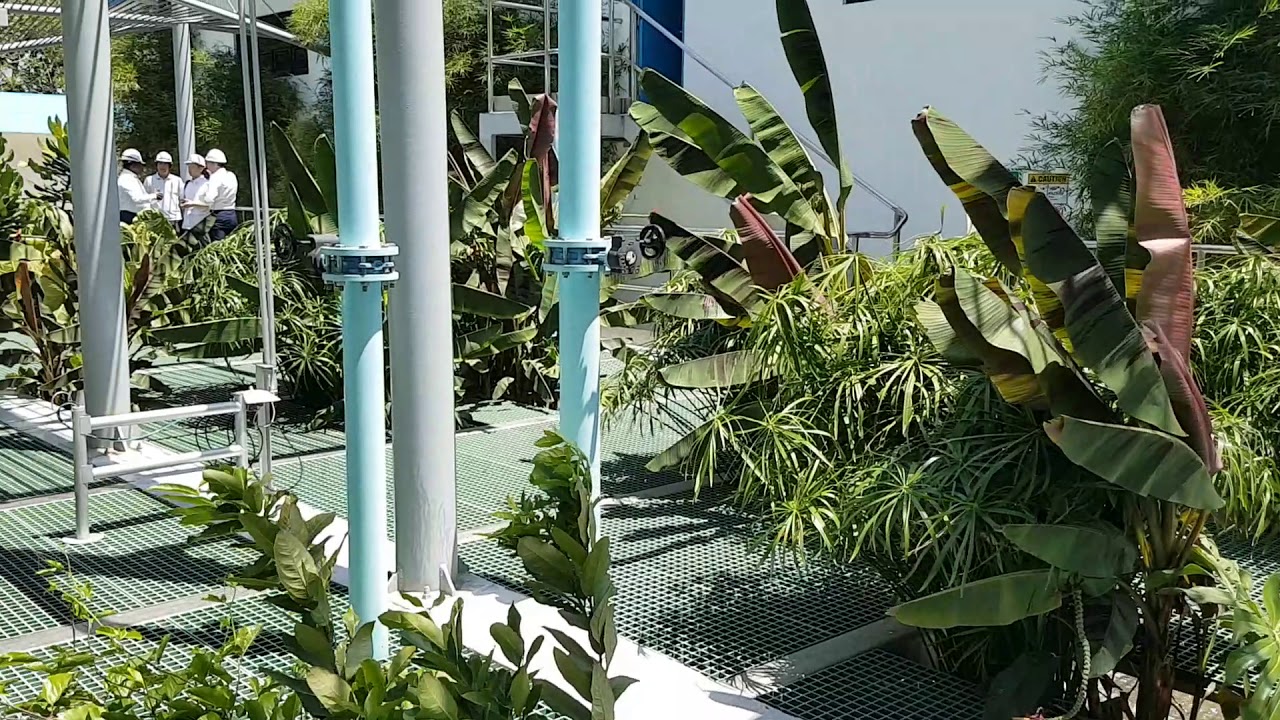
The FCR utilizes hydroponic plant beds and attached-growth biological treatment to purify wastewater. By allowing microorganisms to thrive on plant roots, organic pollutants are broken down effectively, resulting in high-quality treated water suitable for safe discharge or reuse.
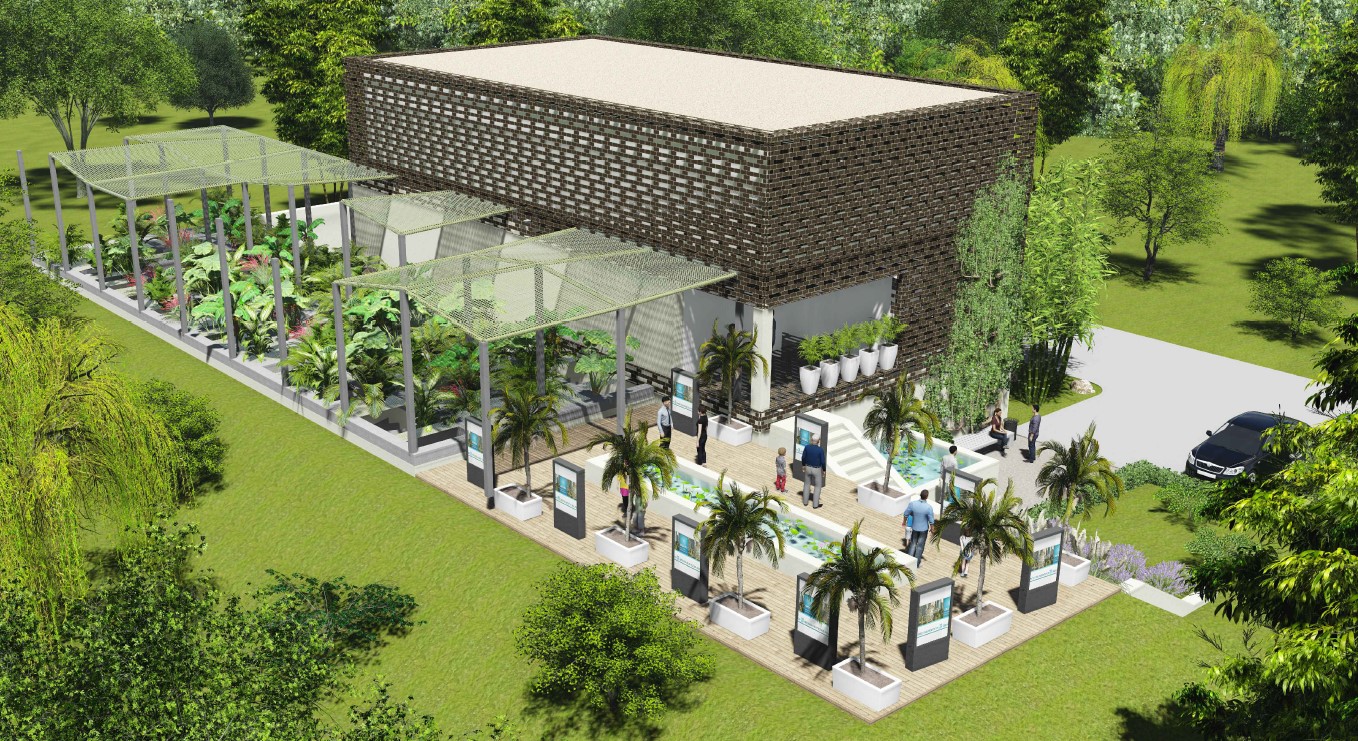
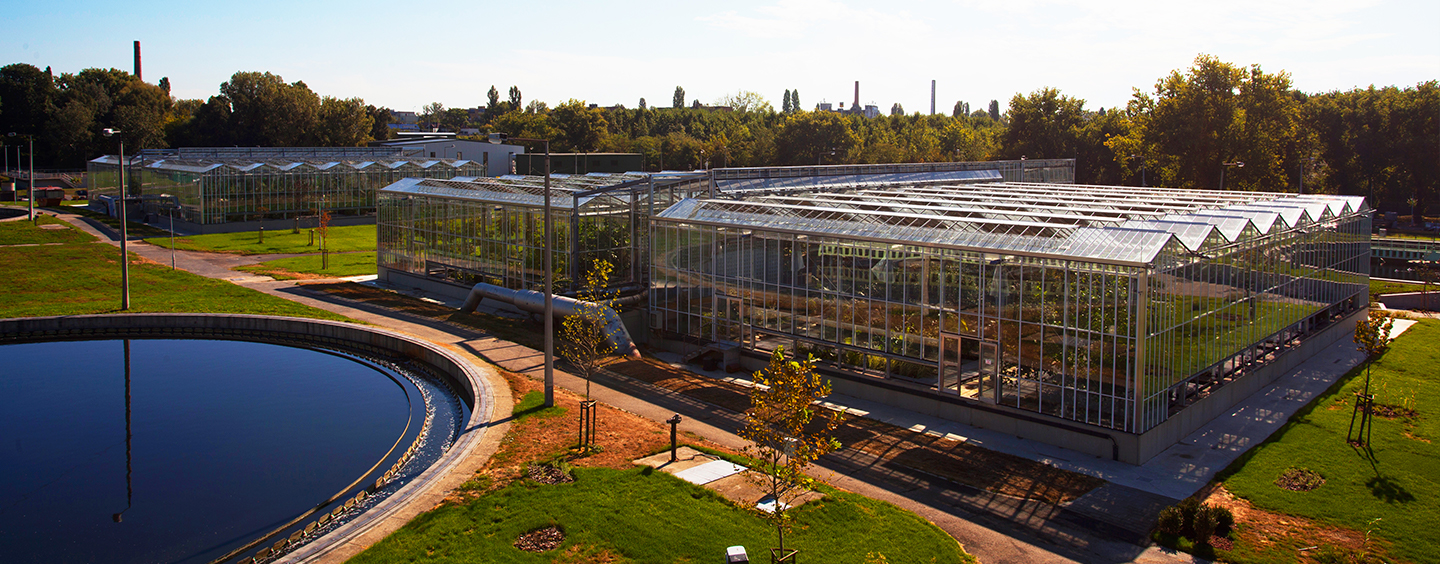
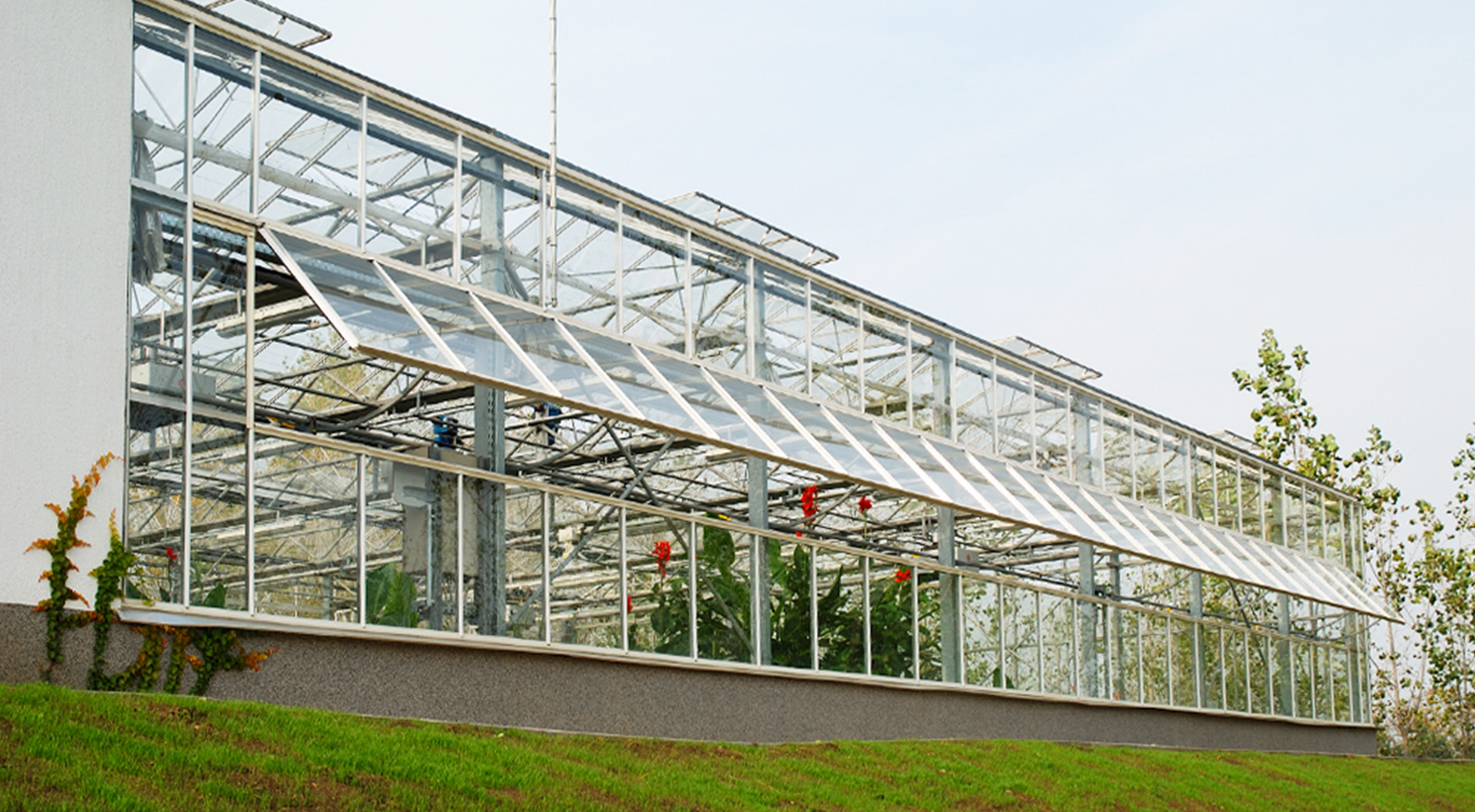
This cutting-edge system is housed within a greenhouse-style facility, providing an odor-free and visually pleasing environment that can seamlessly integrate into urban areas. Automated controls and real-time monitoring ensure reliable, efficient, and low-maintenance operations.
By promoting water reuse, conserving land, and supporting energy-efficient treatment, the Organica FCR contributes to sustainable infrastructure and facilitates the transition towards circular water management. It showcases the harmonious blend of nature and technology to address global water challenges in a practical and scalable manner.
Key characteristics and environmental benefits
- Efficient purification of wastewater using botanical-based processes
- Integration of hydroponic plant beds and attached-growth biological treatment
- High-quality treated water suitable for safe discharge or reuse
- Reduced environmental footprint compared to conventional treatment plants
- Greenhouse-style facility for odor-free and visually pleasant operations
- Automated controls and real-time monitoring for reliable and low-maintenance operations
- Promotion of water reuse, land conservation, and energy-efficient treatment
- Support for sustainable infrastructure and circular water management
- Practical and scalable solution for global water challenges
- Harmonious blend of nature and technology for effective wastewater treatment
About the Company
Ask about Organica Food Chain Reactor (FCR)
Hi there! I’m here to help you quickly understand what this green solution is about — without needing to read the full page.
You can ask me things like:
- What problem does it solve?
- How does it help the environment?
- What makes it different?
Let’s explore together!
You can try asking:
Oops, it seems like you're not a member.
Sign up! It's free. You'll be able to read all the articles you like, download PDFs, and get in contact with the respective owners.
Have an account already? Sign in here