
Engineering-Grade Building Panels Made From Recycled Plastic Waste
Sustainable building materials & equipment / Plastic and general waste
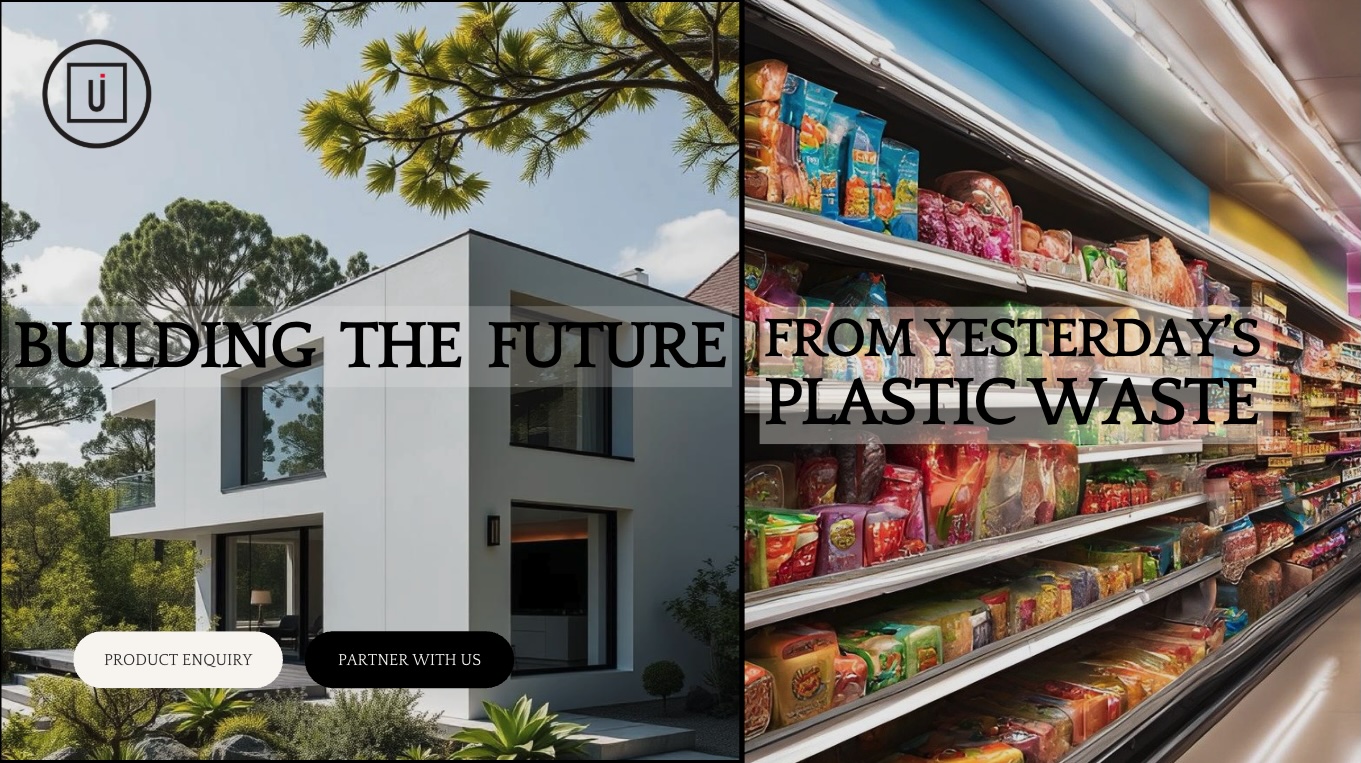
Transforms non-recyclable, ocean-bound plastic waste into durable construction panels, reducing plastic pollution while replacing carbon-intensive building materials with circular, low-impact alternatives. While building stronger, faster and more resilient structures.
Contact

Unified Intelligence (Ui)
Company Established Year
Who is this solution for
Info
Available


Looking


Project Status
Looking to expand internationally
Doing business in
Sustainable Development Goals
Product description
Ui's Structurally Integrated Honeycomb Sandwich Panels: Building Disaster-Resilient Infrastructure from Plastic Waste
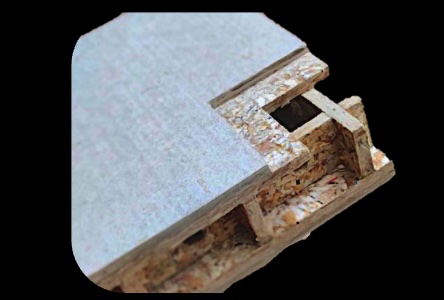
Ui transforms non-recyclable, ocean-bound plastic waste into high-performance building materials engineered for resilience. Our Structurally Integrated Honeycomb Sandwich Panels combine food-grade plastic in an advanced honeycomb core structure to deliver construction solutions that are faster to deploy, stronger than conventional materials, and built to withstand extreme conditions.
Engineered for Resilience and Performance
These panels outperform traditional construction materials with exceptional load-bearing capacity, superior impact resistance, and enhanced durability against floods, earthquakes, and extreme weather events. The innovative honeycomb design provides structural strength while remaining lightweight—enabling faster installation, reduced construction timelines, and lower transportation costs compared to concrete or steel.
Sustainable Strength, Lower Carbon Footprint
By repurposing hard-to-recycle plastic streams, including multilayer packaging, Ui significantly reduces the embodied energy of building components while diverting waste from landfills and oceans. Our panels deliver the structural performance required for disaster-resistant construction with a dramatically lower carbon footprint than conventional materials.
From Waste to Resilient Infrastructure
Suitable for both commercial and residential applications, these versatile panels prove that sustainability and structural integrity go hand-in-hand. Ui's solution provides a practical pathway toward climate-resilient infrastructure development—transforming problematic plastic pollution into disaster-proof building materials with measurable environmental and industrial impact.
Key characteristics and environmental benefits
Key Characteristics
-
Manufactured from non-recyclable, ocean-bound plastic waste, including multilayer plastics
-
Honeycomb sandwich panel structure, designed for high strength with low material use
-
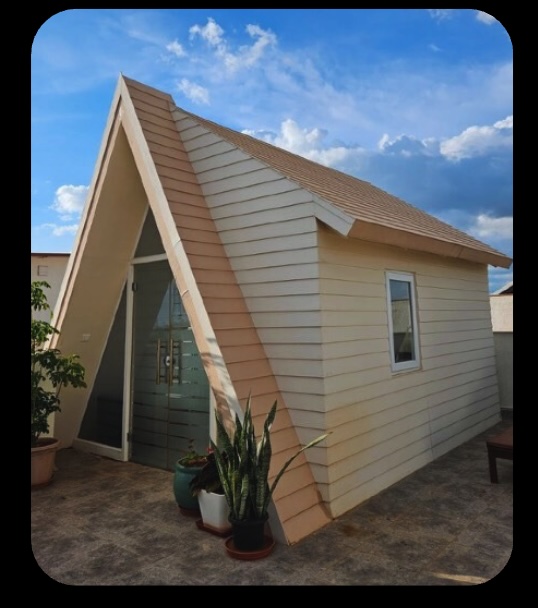
Lightweight construction panels suitable for walls, floors, roofs, and façade elements
-
Designed as a structural building material, not decorative or temporary
-
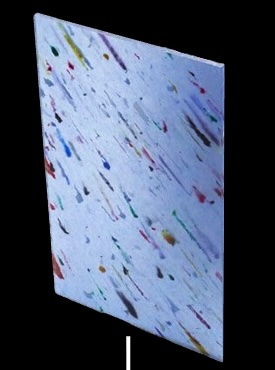
Uses food-grade plastic as feedstock, ensuring material consistency and durability
-
Designed to replace or reduce use of traditional materials such as concrete, steel, or timber
-
Supports circular construction models by converting waste into long-life infrastructure components, which are re-usable
Environmental Benefits
-
Diverts hard-to-recycle plastic from landfills and ocean leakage streams
-
Extends the lifecycle of plastic by locking it into long-lasting buildings, which can be re-made into a newer panel or structure.
-
Reduces demand for carbon-intensive construction materials
-
Supports a circular economy by turning waste into a high-value resource
-
Helps address plastic pollution at scale, targeting material streams that currently lack recycling solutions
-
Enables lower material weight, which can contribute to reduced transport emissions
-
Aligns construction with waste-to-resource principles, embedding environmental impact reduction directly into infrastructure
Looking for
About the Company
Notification!
Please log in or create a Bip account to like comments.
Login to BIP
Discussion & Comments
You can leave any questions you have here.You need to log in to write a comment. If you don’t have an account yet, you can create one in just a few seconds.
Ask about Engineering-Grade Building Panels Made From Recycled Plastic Waste
Hi there! I’m here to help you quickly understand what this green solution is about — without needing to read the full page.
You can ask me things like:
- What problem does it solve?
- How does it help the environment?
- What makes it different?
Let’s explore together!
You can try asking:
Oops, it seems like you're not a member.
Sign up! It's free. You'll be able to read all the articles you like, download PDFs, and get in contact with the respective owners.
Have an account already? Sign in here