

Clara Water – AI-Enabled Decentralized Water Disinfection
Making water potable / Water management & IoT
Solar-powered systems that generate chlorine on-site from salt, automatically dose based on flow, and remotely monitor water safety — eliminating chemical supply chains and recontamination.
Contact

Clara Water AG
Company Established Year
Who is this solution for
Info
Available

Looking


Project Status
Looking to expand internationally
Doing business in
Awards
Winner for participation in the Humanitarian Innovation Exchange and Accelerator 2021
Issued by Swiss Agency for Development and Cooperation
Contribution to the new Junior Research Program for Humanitarian contexts and its pilot phase
Issued by Manuel Bessler - Delegate for Humanitarian Aid and Head of SHA - Deputy Director General SDC
Sustainable Development Goals






Product description
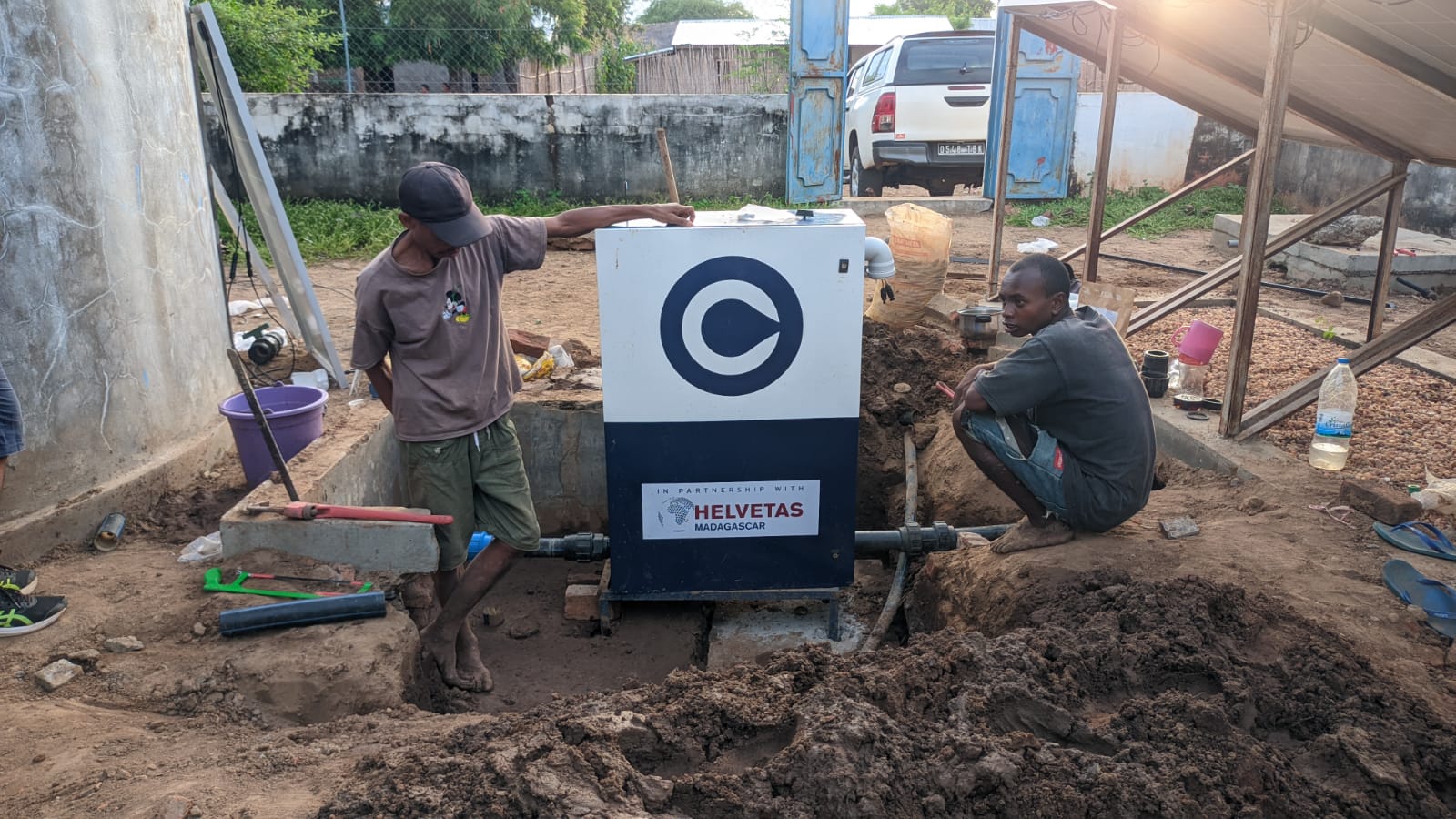
Clara Water AG designs and deploys solar-powered electrochlorination systems that generate disinfectant on-site directly from salt and water — permanently eliminating dependence on chlorine chemical supply chains. Our systems dose automatically based on real-time flow and water quality conditions, and are remotely monitored via AI-enabled dashboards, giving operators and NGO partners continuous, verified assurance that water is safe at every delivery point.
Our product range covers the full spectrum of water infrastructure needs:
Autochlor — compact, kiosk-scale units (10–20 m³/day) for community water points, residential and humanitarian deployments.
CLARA Standard — mid-scale systems for hospitals, health facilities, and small utilities (up to200 m³/day).
Lake & Harbour — large-scale urban systems for water utilities treating surface water (up to 9,000 m³/day).
All systems are designed for low-skill operation and minimal maintenance, with standardised installation protocols suited to remote and resource-constrained environments. A Innosuisse-funded R&D programme (CHF 1M+) in collaboration with Eawag is advancing next-generation features including further cost reduction, increased reliability, and enhanced smart monitoring.
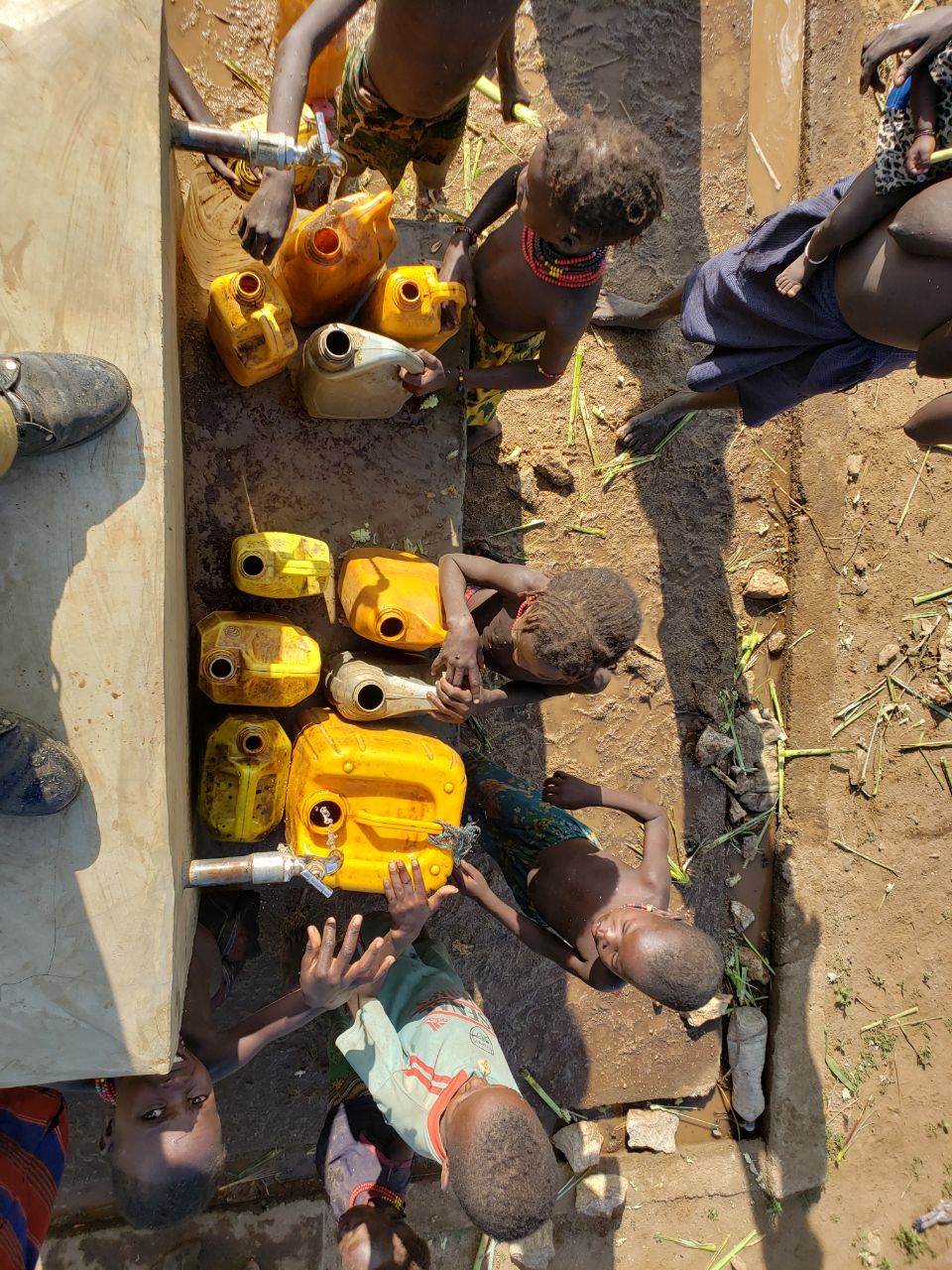
Clara Water has active deployments in Ethiopia, Kenya, Uganda, Madagascar, working alongside UN agencies, international NGOs, government ministries, and water utilities.
Key characteristics and environmental benefits
No chlorine supply chain. Disinfectant is generated electrolytically on-site from salt — no chemical procurement, no transport, no storage risk. This dramatically reduces operational cost (up to 90% compared to conventional chlorination) and removes a chronic bottleneck in remote and fragile-context WASH programmes.
Automated, flow-proportional dosing. Systems continuously adjust chlorine output based on water flow and conditions, maintaining consistent free residual at every delivery point — preventing recontamination that undermines last-mile water safety.
AI-enabled remote monitoring. Operators and programme managers receive real-time performance data via cloud dashboard, enabling rapid issue detection and evidence-based reporting to funders and governments — without requiring skilled staff on-site.
Solar-powered and off-grid ready. All systems run on solar energy, making them deployable in areas without reliable grid electricity. Low energy consumption and minimal consumables keep lifecycle costs low.
Scalable and replicable. A standardised install-and-service model, combined with remote QA, allows rapid scale across many sites. Carbon credit and blended finance mechanisms are being developed to unlock infrastructure expansion without depending solely on grant funding.
Independently validated impact. Research by Eawag and the Ethiopian Public Health Institute documented E. coli-free water samples rising from 5% at baseline to 67% post-installation, with ongoing design improvements targeting 95%+ verified compliance.
Looking for
About the Company
Notification!
Please log in or create a Bip account to like comments.
Login to BIP
Discussion & Comments
You can leave any questions you have here.You need to log in to write a comment. If you don’t have an account yet, you can create one in just a few seconds.
Ask about Clara Water – AI-Enabled Decentralized Water Disinfection
Hi there! I’m here to help you quickly understand what this green solution is about — without needing to read the full page.
You can ask me things like:
- What problem does it solve?
- How does it help the environment?
- What makes it different?
Let’s explore together!
You can try asking:
Oops, it seems like you're not a member.
Sign up! It's free. You'll be able to read all the articles you like, download PDFs, and get in contact with the respective owners.
Have an account already? Sign in here